Search the Community
Showing results for tags 'Newborn-Infant'.
Found 76 results
-
until
Held every fall, NPN’s Annual Preschool & Elementary School Fair has been the No. 1 resource for school-searching parents for over 20 years! At the 2026 fair, your family will enjoy free entry to the Peggy Notebaert Nature Museum, a musical performance, pizza lunch for kids and adults, and the opportunity to talk with and hear from over thirty Chicago preschools and elementary schools! MUST KNOW INFO ➤ Special features and perks for attendees ➤ Event schedule ➤ List of participating schools ➤ 2026 event program book TICKETS REQUIRED ➤ Click the green button to secure your spot. Mobile users scroll down. PRICING ➤ FREE for NPN Parent Members: with ticket. ($15 donation recommended). ➤ $15 for everyone else in advance. ➤ $25 at the door DATE, TIME, PARKING Date: Sunday, October 4, 2026 Time: 9:00 AM - 12:30 PM Location: Peggy Notebaert Nature Museum, 2430 N Cannon Dr., Chicago, IL 60614 Parking: Limited free street parking is available, as well as a flat-rate lot nearby at the zoo. For more info, visit this link, then scroll down and click on "Directions" ➤By registering for this event, you agree that NPN may share your name and email address with our sponsors and the nature museum. ➤Photos will be taken at this event. By registering for this event, you agree that your photo may be taken and used in NPN materials, both print and online ➤Questions? Email amy@npnparents.org. Schools: Register here. Thank you to our Sponsors -
until
Join NPN and Mary Meyer School for a free family concert with Jeanie B! at the Farm-in-the-Zoo at Lincoln Park Zoo! 🌧️ RAIN OR SHINE! ☀️ The concert will be outside in the Farm, weather permitting. In case of inclement weather, you will find us in the big red barn. We hope you'll join us! RSVPs are kindly requested for planning purposes. Click the green button on the right to RSVP. Mobile users, scroll down. Must-Know Info The Farm-in-the-Zoo is located at 1911 Stockton Drive, Chicago. Lincoln Park Zoo and Farm-in-the-Zoo is always free. Parking: See https://www.lpzoo.org/visit/ About our artist: Jeanie B! is one of Chicago families' favorite musicians! Time Out Chicago says that “Jeanie B's music is one of the best things to happen to children in Chicago this decade!” We have to agree. Learn more about Jeanie B and hear some of her songs here: https://www.jeaniebmusic.com/ Thank you to our sponsor: -
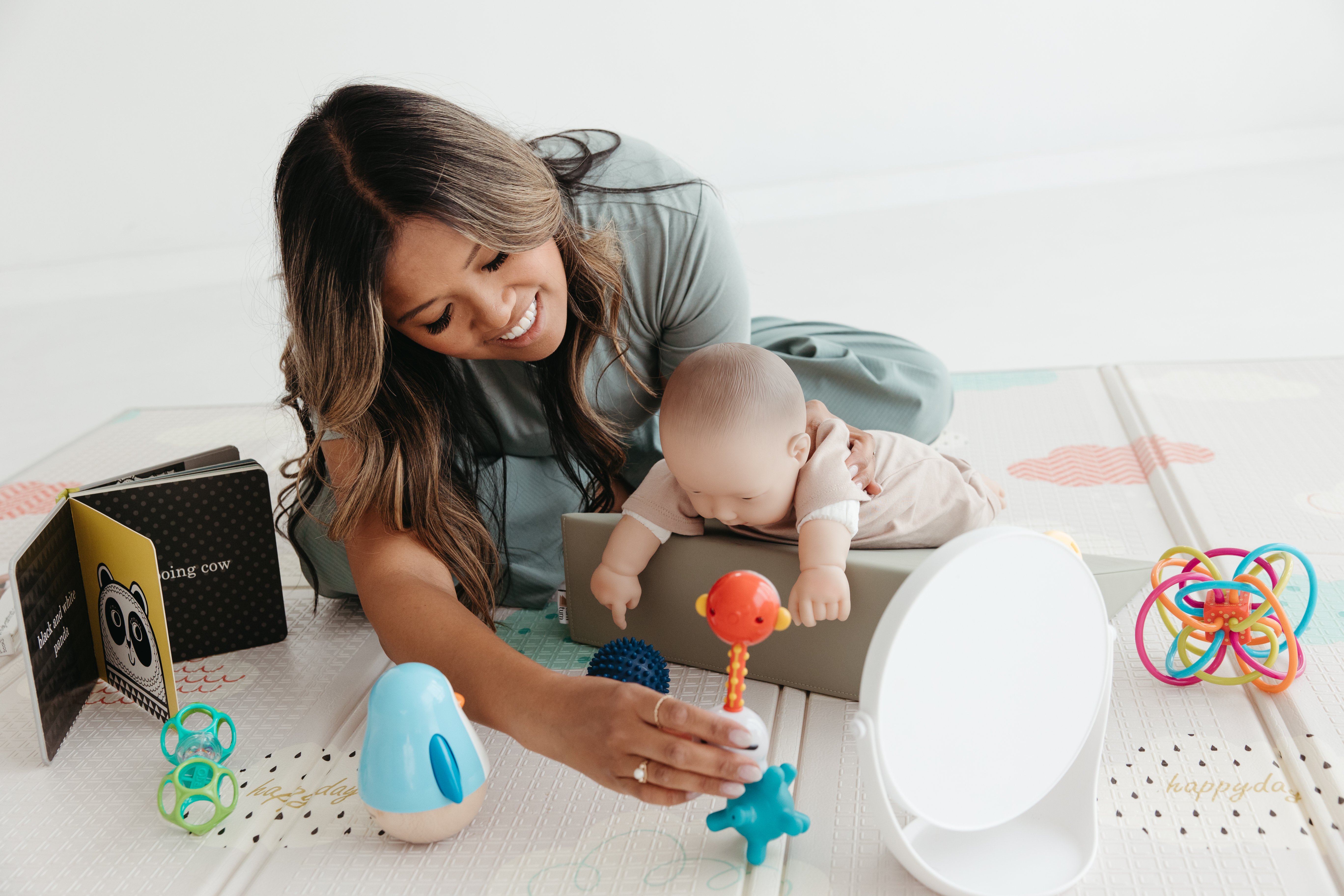 New parents face a barrage of questions and concerns about their babies. There's a constant questioning about whether our little ones are doing well, and whether we're doing right by them. Thankfully, we have people like Armi Grace Peterson, founder of Motivated OT Mama and certified pediatric occupational therapist here to help answer questions 1. In a nutshell to folks who aren't familiar, how do you describe/define pediatric occupational therapy? I always start with the word occupation. In occupational therapy, an occupation is anything that occupies your time and gives meaning to your day. For a baby, their occupations are things like eating, sleeping, playing, moving, and connecting with their caregivers. As kids get older, that expands to getting dressed, feeding themselves, going to school, playing with friends, participating in activities, and becoming more independent. Occupational therapists look at what someone needs or wants to do in their everyday life, what might be making it difficult, and how we can support them. And that same lens can apply to parents. Motherhood completely changes your occupations, your routines, sleep, self-care, relationships, household responsibilities, work, and even your sense of identity. That's one reason I love working with the whole parent-baby dyad rather than looking at either one in isolation. 2. Is there ever a "that's too early" line in the sand for considering occupational therapy for newborns? How can parents assess that this could be a helpful option to explore? I don't think there needs to be a minimum age for asking questions or getting support. Our traditional medical model tends to be reactive: we identify a problem and then treat it. In my practice, I want to help families be more proactive. That means not only knowing the developmental "red flags," but also understanding the yellow and green flags, what's going well, what's worth watching, and what parents can do at home to support development. With newborns, concerns often involve feeding, regulation, positioning, movement, sleep and simply figuring out how to interact and play with this brand-new person. There's absolutely a normal adjustment period after bringing a baby home, but I also pay attention to how the entire family is functioning. If feeding your baby is taking over your entire day, you're struggling to get through basic routines, your baby seems uncomfortable or difficult to settle, or your gut is telling you something isn't quite right, it's okay to ask for support. Parents also shouldn't have to wait until there's a delay to learn about development. There isn't exactly a "Baby Play 101" class that everyone gets after delivery! Many parents don't really learn what developmental milestones to watch for until they're handed a screening questionnaire at a pediatrician appointment. That's part of why I incorporate education and free developmental screenings into my community mom-and-baby groups. Sometimes a family needs therapy. Sometimes they just need reassurance, education and a few ideas for tummy time, positioning or play. Both are valuable. 3. What are the two biggest misconceptions about or under-the-radar facts you'd like folks to know about infant and baby developmental milestones? The first is that "wait and see" isn't always the best approach. Development naturally happens across a range, so being a little later with a milestone doesn't automatically mean something is wrong. But when there is a genuine concern, earlier identification gives us more opportunity to support the baby before compensatory movement patterns become established. Torticollis is a great example. Research has shown that when treatment for congenital muscular torticollis begins before one month of age, approximately 98% of infants achieve near-normal neck range of motion within about a month and a half. When intervention doesn't begin until after six months, treatment may take nine to ten months, with fewer babies achieving near-normal range. Early doesn't necessarily mean more therapy, it can actually mean a shorter course of intervention. The second misconception is that achieving a milestone tells us the whole story. I'm also interested in how a baby gets there. Babies are incredibly smart problem-solvers. They will usually find the easiest way to accomplish what they want to do! Sometimes, though, that means compensating for a skill that isn't quite there yet. A baby may roll, sit or move successfully while consistently favoring one side, for example. That's why I encourage parents to notice things like symmetry, movement variety and preferences, not just whether their baby checked a milestone off a list. Milestones are a reference point, not a report card. 4. You're a big advocate for postpartum moms receiving occupational therapy as well. Could you talk about what that means, why it's so important, and the benefits of this kind of support? I often describe motherhood itself as a developmental milestone. We spend so much time talking about the baby's development after birth, but a mother is developing too. Her body, identity, relationships, routines, responsibilities, sleep, sensory needs and roles have all changed, sometimes overnight. Those are all things occupational therapists are trained to look at. Postpartum OT might include figuring out realistic routines, adapting daily activities during recovery, managing sensory overload or feeling "touched out," finding ways to protect sleep and self-care, navigating the division of household responsibilities, returning to work, feeding or pumping routines, and helping a mom reconnect with the things that make her feel like herself. And supporting the parent isn't separate from supporting the baby. The American Academy of Pediatrics recognizes that perinatal mental health can affect parent-infant interaction, attachment and a child's social-emotional and cognitive development. Supporting healthy, responsive parent-child relationships is an important part of supporting early development. That's why one of the philosophies behind my practice is: I hold the mom so she can hold her baby. Sometimes the best thing we can do for a baby's development isn't adding another activity to Mom's to-do list. It's making sure Mom has the support, capacity and confidence to participate in everyday life with her baby. 5. What's one piece of advice you give or want all parents to receive in moments of uncertainty, no matter where they are in the journey (expectant, new, repeat parents)? One of my favorite reminders for parents is: "The only parent you have to be better than is the parent you were yesterday." There's so much pressure to find the "right" way to parent. The right feeding method. The right sleep schedule. The right toys. The right routine. And now parents have access to thousands of opinions before they've even finished a 2 a.m. feeding. But there often isn't one universally right answer. I encourage families to take the information they're given and ask: Is everyone safe? Is my mental health being protected? Is this sustainable for our family? Can my partner and I get on the same page? Are we protecting sleep and functioning as best we can? What worked for your friend, your sister, someone on Instagram, or even what worked with your first baby, may not be what works for this baby and this season of your life.You don't have to parent perfectly. You get to learn your baby, learn yourself in this new season, and make informed choices that work for your family. About ArmiArmi Grace Petersen, MS, OTR/L, ASDCS, CWHS, CBS, is a pediatric occupational therapist, mom of three, and founder of Motivated OT Mama. After experiencing postpartum anxiety, postpartum depression, loneliness, and isolation in her own transition to motherhood, Armi Grace combined her personal experiences with her professional passion for supporting children and families to create the kind of support she wished she had. Through Motivated OT Mama, Armi Grace supports moms and babies throughout the Chicagoland area with in-home 1:1 occupational therapy and community-based groups focused on postpartum support, infant development, feeding, play, and parent education. Her approach looks at the whole parent-baby relationship, with the belief that supporting a baby's development also means supporting the person caring for them. Her goal is simple: to help parents feel more confident, supported, and less alone as they navigate pregnancy, postpartum, feeding, and their baby's development.
-
 Trending: Halloween CostumesMy completely unscientific assertion is that there are two kinds of parents of small children in this world. Those who've known their children's Halloween costumes since November 1st last year, immediately purchased two versions for their child's approval, which have already been worn at various Halloween events this past weekend; and then there are those who are going to panic-tape some pieces of cardboard together Saturday morning before trick or treating and call it a robot costume. If you're in the first group, hats off to you. Please go to our discussion forum and share any tips for those scrambling to find a last-minute costume that will meet our child's ever-changing demands without breaking the bank. If you're in the second group, thankfully, the internet has ideas. Whether you're DIY-ing or looking for a handy list of popular costumes and links to buy, all is not lost. Are you the parent of a teen who's still involving you in these decisions? Fear not! This list has plenty of ideas (or at least the pop culture references that will help you figure out what your child has chosen for their costume). For those who enjoy analyzing the cultural phenomenon of the holiday while thrifting for DIY costume pieces, the internet has you covered too. Lastly, to undo my first assertion in this section, there are actually two other kinds of parents in this world. Those who dread the increased sugar intake of Halloween, and those who look forward to pilfering most of their children's candy. It's for their sake, right? In Chicago Parenting News: Two CPS Elementary schools named top in Illinois. No more park riot...fests? Permanent festival site on the ballot for upcoming elections. Birth Equity Initiative has run into trouble implementing laws to provide insurance coverage for doulas. Parenting IRL: Cold kiddosI wrote this three weeks ago, but the cold hasn't fully arrived yet. The mosquitos are finally fading away, the mornings have some bite to them, and thousands of people are joyfully unearthing sweaters from the "Fall/Winter" bins in their storage units. But how, exactly, does one prepare a baby for colder weather? As we slip into our sweatpants and pumpkin-spice our lattes, new parents have been asking for advice in the discussion forum. My 4-year-old refuses to layer up unless it's literally freezing out, but as the parent of a 4-month-old who can't say "no, no, no" yet, the conversation was a welcome refresher on best practices for those who still can't dress themselves. One new parent asked about strategies that could help in the car without a remote starter, especially since puffy jackets are a no-no in car seats. Others were quick to jump in with helpful pointers, including blankets, car seat bunting, and warm hats. Have tips for new parents anxious about keeping little ones warm? Join the discussion! Subscribe to the NPN Weekly to get more parenting news, trends, and tips straight to your inbox!
-
until
Come curious, leave inspired! Join NPN and the Montessori Academy of Chicago for a special Sunday Playdate on November 8 from 9:00–11:00 a.m. Families with children ages 0–5 are invited to spend the morning playing, exploring, and discovering our community. Activities for children will include: Exploring their gross motor play space and outdoor playground Getting creative with special art activities Trying hands-on practical life activities Joining songs and games facilitated by Academy staff Parents and caregivers can explore our Montessori classrooms, learn more about the Montessori philosophy, and see how their approach nurtures the whole child. You'll also have the chance to meet current Academy families and hear about their experiences in the MAC community. We'll have light snacks and refreshments for everyone to enjoy. Location: 131 N Ada Street Questions or need help finding us? Call 312-243-0977. Two parking lots are available. One is accessible from the alley off Ada Street, directly south of the main entrance, and additional parking can be accessed from Randolph Street. All children must be accompanied by an adult. Indoor shoes are recommended for children, but not required. We look forward to welcoming you to the Academy! -
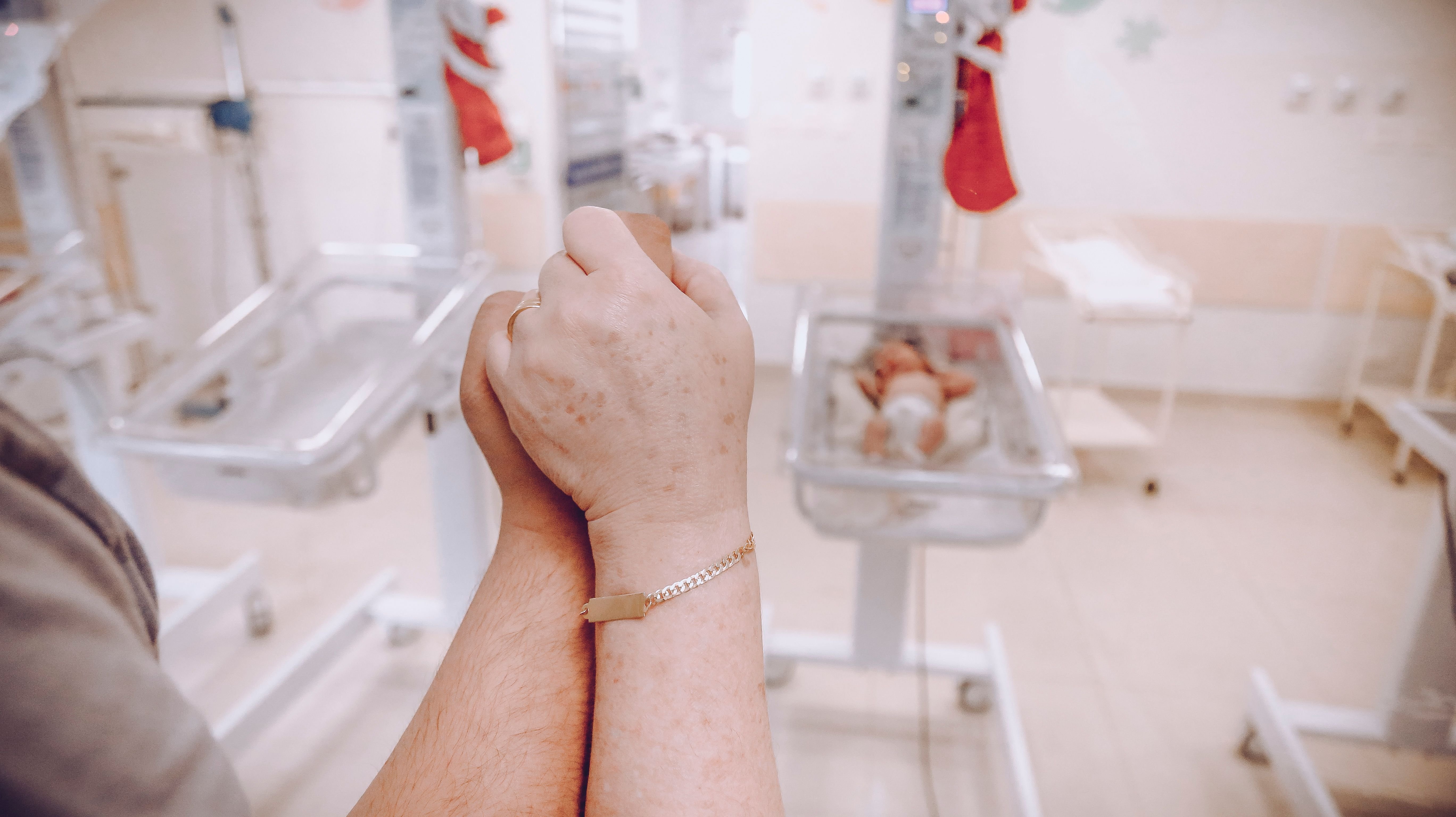 In this episode we talk about the Neonatal Intensive Care Unit experience: what it is like from the parent perspective, and how to support a friend or family member who is going through it. We will also learn about Jackson Chance Foundation and the work they do to make it easier for parents to spend time with their babies in the NICU. This video was originally recorded in September 2026 for NPN's podcast, Chicago Style Parenting.
-
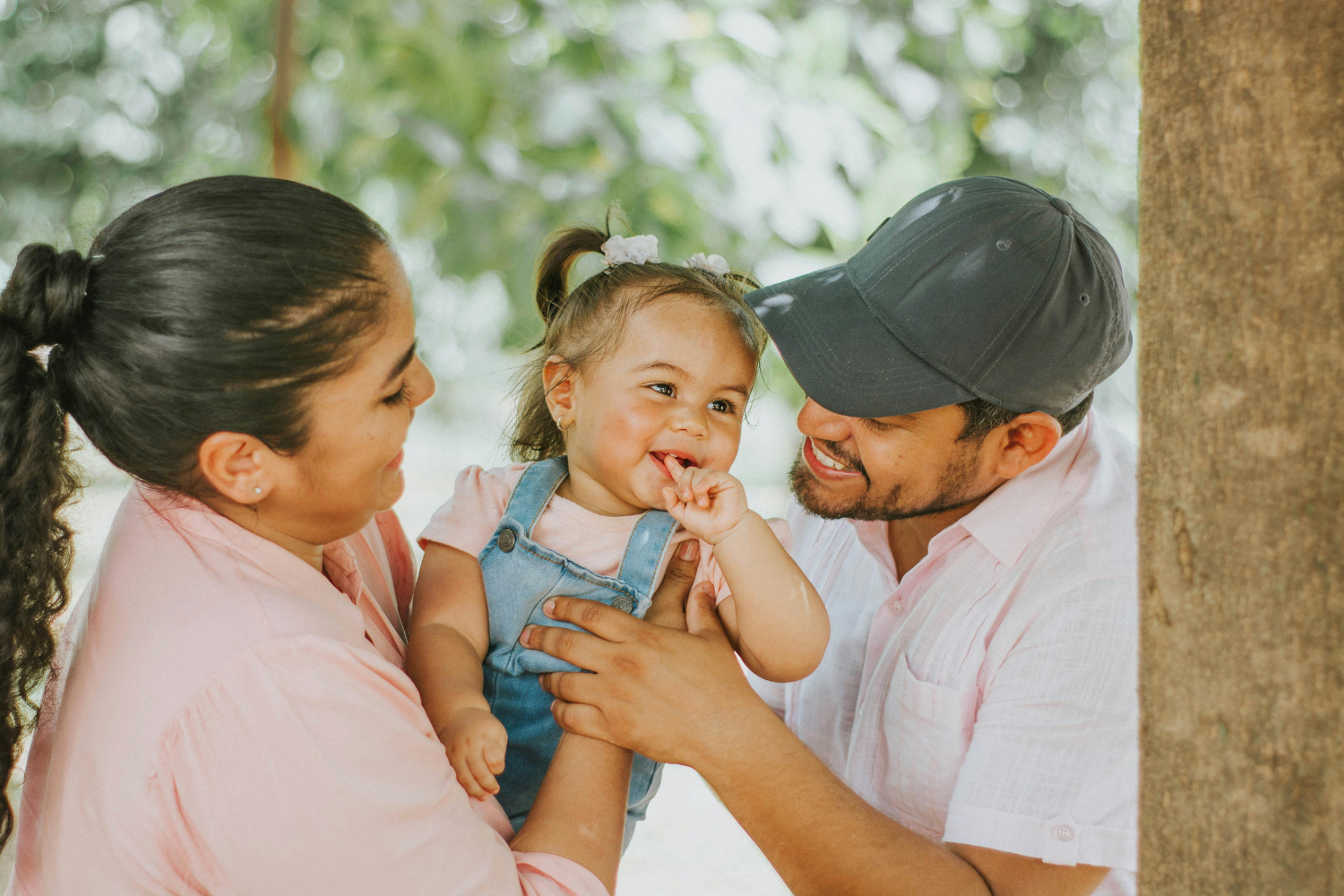 Family therapy isn't just for those who are in a moment of great struggle. Susan Chen, MS, LCSW, and Founder and Clinical Director of Insight Family Therapy, affirms that counseling can be beneficial to all families. Here are some insights from Susan about the ways therapy can offer critical support, from strengthening the infant-parent bond to preserving a partnership and embracing a new identity as a growing family. 1. Do you find family therapy comes with misconceptions about who it's suitable for? What do you say to folks who are skeptical or unsure that family therapy could be beneficial for them? I think one misconception around family therapy is that it's only helpful when there is high conflict within a family. I created our model to support families in finding deeper connection and understanding with one another, and that can be incredibly supportive to families who are moving through a number of things. We see many families navigating big life transitions (for example, the addition of a child's sibling), families trying to understand why certain daily cycles feel perpetually challenging (like bedtime or goodbyes), and families wanting to better understand their child and themselves as they move through tricky developmental phases (wink, wink toddlerhood). 2. One of your specialties is infant therapy. What does infant therapeutic support look like for the child and parents/family? Infant therapy is really designed to support the relationship between the infant and his/her caregivers. Infants come to us with all sorts of dispositions or temperaments. Sometimes this results in an ease between a caregiver and infant and other times it can be a little trickier. We want to help the infant and their caregivers learn to find a rhythm with one another. I often tell parents: it's like getting a new dance partner. You don't really know one another's cues or their subtle shifts yet...and that is totally understandable! It takes time. Our work is meant to support that process and normalize that the connection and flow often takes time to build and develop. 3. How do you see partnerships changing when couples become parents for the first time or welcome siblings, and how can people protect and preserve their connections through these shifts? Bringing another child into the home is a huge shift to the family system. And my experience is that sometimes the cost of these shifts are subtle and can happen cumulatively over time. One thing I like to help parents to think about before a new baby arrives is what do people imagine they will need? And how will they signal to one another if they are struggling/needing more etc? If they already have children, I also like to help them think about how to preserve special connection time with that child. So often, once a baby comes, families are in survival mode. Thinking about some of these things beforehand can really make a big difference in my opinion. 4. When people become parents, especially for birthing parents, there can be an identity shift and a loss of a former self. How do you see this transition's impact on a sense of self in ways that people might not be aware of? I think one thing we don't prepare parents for enough is the grief woven throughout parenting. This is particularly true for the birthing parent, whose entire self transforms and changes to bring a baby into the world. I think it can sometimes be helpful to hold the both/and perspective and to honor the ambivalence of parenting: I can be in love with my baby AND I can also deeply miss parts of my life that aren't available to me right now or that feel far away. I can feel grateful that my baby is here AND I can feel overwhelmed and wish I had more time where someone didn't need me so much. I don't find that these dialogues are as normalized as I wish they were in our society. Birthing parents are often highly attuned to how they are supposed to feel and often that makes them feel guilty/unsure about the other feelings that do arise. The more we allow all feelings to be a part of the developmental process of becoming a parent, the healthier our parents will be. 5. If you could offer one piece of advice or encouragement to new, experienced, or expectant parents worried about doing things "right," and/or wrestling with getting outside support, what would it be? If there was one piece of advice that I was to give a family who was looking for services, whether that be a new family, an expecting family, [or] a very seasoned family, it would be this. We were never meant to do this work alone. We never were. And so historically, when families were going through seasons of change or transition, they relied on the systems in place, the community at large, their extended family. But so many of the families that we see don't have those things available to them. So of course they feel underwater. And so I just think it's such a brave act when a family reaches out for the support that they need. And I'm also such a big believer that the more we can help parents feel supported and sturdy, the more they are able to give to their child freely, and the more they are able to see their child clearly. About SusanSUSAN CHEN, M.S., LCSW, is the founder of Insight Family Therapy, a relational psychotherapy practice specializing in young children and families on the North Shore and Chicago. With almost 20 years of clinical experience, Chen was inspired by the idea that families deserved a place where their whole story could be understood, not just the problem that brought them in. Beyond the therapy room, Chen is passionate about early childhood and creating meaningful community spaces where parents, caregivers, and educators can better understand young children and the relationships that shape them.
-
until
Calling all young explorers! Join NPN on Sunday, October 18 from 9:00 - 11:00 am for a FREE playdate at Bennett Day School. At this playdate, you and your family can: Explore their NEW Bambini Classroom: Tour Bennett's new space for two-year-olds and learn about their full-day, drop-off program plus caregiver-and-child offerings. Engage in STEAM Activities: Hands-on projects and discovery stations will be set up throughout their early childhood spaces. Play & Connect: Explore Bennett's outdoor garden, play with a variety of materials, and connect with other local families. Refuel & Relax: Enjoy coffee and morning snacks while your child engages with peers. Bennett Day School is located at 955 W Grand Ave, Chicago, IL 60642. Parking/Public Transportation Info: Driving: There is limited free parking available on the west side of Morgan and south side of Hubbard, or metered parking on Grand Ave. If you are driving, we suggest arriving a few minutes early to secure a spot. Public Transportation: Bennett is two blocks west of the Grand Blue Line stop and three blocks north of the Pink/Green Line Morgan stop. The Grand 65 and Halsted 8 bus are also great options. -
 Between the newness of the huge life change that is becoming a parent, sleep deprivation, and the rabbit hole of the internet, it can be difficult to know what to do in the early days after welcoming a child. We asked Dr. David Drelicharz of Lurie Children’s Primary Care for a bit of a primer on newborn and infant care. Here's what Dr. Dave has to say about common care myths, "overreacting," and taking care of yourself as a new parent. 1. What are a few of the biggest newborn care myths you come across, and what are a few essential tips parents can feel confident keeping in their toolkits? One is that a baby is too young to vaccinate, or get a Hepatitis B vaccine after birth, or the subsequent infant and toddler vaccines. Yeah, I just went there. There’s a lot of hooey on social media with all these purported risks, when vaccines have been studied and improved for decades. In fact, our healthcare system has been designed to continually monitor vaccine safety, and it periodically removes one from the market for additional study when the situation supports. A less controversial myth I hear is how superior breastfeeding is to formula feeding. While there is data to show benefits to breastfeeding exclusively, there’s a steep drop-off to those benefits after 6 months of age. I think many mothers put unnecessary pressure on themselves to nurse. I want a mom to decide what to do with her body, and then just feed her baby. A FED baby is best. 2. How do you advise parents about choosing the right formula for their babies? I advise that they pick one that is manufactured domestically, and that it be cow milk-based. Domestic, because it’s subject to FDA regulations—how it’s made, stored, shipped, etc. For a while, it was popular to source formula directly from Europe, since some parents prefer other carbohydrate sources to those in brands like Similac, Enfamil. When those weren’t being made in the US, I was worried about how they got here, could they spoil in transit. Now that brands like Bobbie, Kendamil, etc are made here, I’m fine with them. I would just prefer cow milk protein-based vs goat milk, since the goat milk version has 1/3 of the B12 content. 3. What's the latest advice around presenting allergenic foods to infants? The newest research supports early introduction of peanut and egg protein at age 4 months to babies with significant eczema or who have siblings with severe food allergy. For those who don’t meet this criteria, we advise introduction between 6 and 12 months of age of the top 7 most allergic foods (egg, wheat, soy, peanut, tree nuts, dairy and sesame). 4. How can new parents/parents of newborns know when it's time to call the doctor versus not "over-react"? When in doubt, call your pediatrician? YES! No such thing as over-reacting as a new parent. There’s a steep learning curve for the nuances. Any good pediatric group has phone availability 24/7, either daytime or on call. We as pediatricians expect more questions early-on, so never worry you are bothering us! 5. If you could impart any piece of advice/comfort to parents in the trenches of the first few months, what would it be? The first 2 months are HARD, physically for delivering mom, and emotionally for both partners. But it does get better (there’s a reason people have more than one!). Find ways to treat yourself. Share your feelings---don’t bottle them up. Find safe short cuts to take on things to preserve your bandwidth, so you have more to love on your baby. If you like routine, and are missing it, be quick to create new routines with the baby, so you feel more normalcy in this big transition. About Dr. David Drelicharz I am a general pediatrician who lives in Chicago with my wife and two boys, ages 5 and 10. I have a chemical engineering degree from Northwestern University, graduated Northwestern Feinberg School of Medicine, and completed pediatric residency at Lutheran General. I practice at two of our Lurie Childrens Primary Care locations in Skokie and the near north side of Chicago, and care for children ages birth to 19. My special interests include medical management of anxiety and ADHD, and guiding new parents through early parenthood.
-
 The days after a new baby arrives to the world can be beautiful, busy, and even scary, but what’s true across the board is that everyone needs support. That’s one key takeaway we received from Libby Deutsch and Errin Bald, co-owners of Holistic Family Doulas. I had the privilege of working with HFD before Libby and Errin’s time at the agency, and it was a truly impactful and grounding experience for my family. Here’s what Libby and Errin offered about the impact of postpartum doula support for all families, struggling or not. 1. Broadly speaking, what is a postpartum doula and how can they help new parents, especially the birthing parent? A postpartum doula provides emotional, practical, and evidence-informed support during the tender weeks after birth. While a new baby naturally receives much of the attention, we believe mothers deserve to be nurtured, seen, and cared for as they recover and step into their new identity. Our role is not to take over, but to come alongside families and help create an environment where parents can slow down, rest, and bond with their baby. We support infant feeding, newborn care, household rhythms, emotional wellbeing, and recovery while gently encouraging parents to trust their instincts and find what feels right for their family. When a mother feels supported, safe, and cared for, she is better able to connect with her baby and settle into motherhood with confidence. 2. How can families know if a postpartum doula is right for them? We often tell families that you don't have to be struggling to deserve support. Postpartum doulas aren't just for difficult circumstances — they're for anyone who values entering this season with intention and care. Whether you're a first-time parent, adding another child to your family, recovering from a challenging birth, or simply looking for some more restful sleep, postpartum support can make a meaningful difference. Many parents wonder if they should be able to do it all themselves. But humans were never meant to mother in isolation. We believe every family deserves a village, and sometimes that village looks different than it once did. Postpartum doulas help bridge that gap. 3. The village model of raising children isn't as common as it once was, but the need for community is just as strong. Do you see a shift in thinking around reaching out for help or do families that come to the agency feel stigmatized? We absolutely see a growing shift. More and more families are recognizing that support is not a luxury — it's a necessity. Parents today are often raising children far from extended family while balancing work, responsibilities and endless information. The expectations that are placed on modern parents is immense. At the same time, many mothers still carry guilt around asking for help. Somewhere along the way, we've created the expectation that mothers should instinctively know how to do everything while recovering from birth and caring for a newborn around the clock, while also tending to all of the demands that modern day society has placed on us. We don't believe motherhood was ever meant to look that way. For generations, women were cared for by other women after birth. Meals were prepared, babies were held, and mothers were given space to recover. While the structure of the village may have changed, the need for community has not. Postpartum doulas are one way we can help rebuild that village and remind mothers that they were never meant to do this alone. 4. In relation to question 3, what are the most transformational changes you notice in families who have worked with postpartum doulas? What do you wish naysayers knew about this type of care? One of the greatest transformations we witness is a mother's growing trust in herself. Parents often begin postpartum feeling overwhelmed by outside opinions and pressure. With consistent support and encouragement, we see them begin to quiet the noise and lean into their own intuition. In a noisy and opinion filled world, we think the is the greatest gift of all. For those who are skeptical, we want them to know that when mothers are nourished emotionally, physically, and practically, they are able to show up more fully for themselves, their babies, and their families. We believe caring for mothers is one of the most powerful ways to care for children. 5. If you could impart one piece of advice or encouragement for new parents in the trenches, what would it be? Slow down. Be present with the tender moments in front of you. You and your baby are changing every day. We live in a culture often tells parents to bounce back, figure it out quickly and resume life as normal. But birth changes us. Becoming a parent is a profound transition and it deserves time, gentleness and support. Rest when you can and accept help when it is offered. Trust that getting to know your baby — and yourself as a parent — is a relationship that unfolds over time. You don't have to do it perfectly! You will learn along the way. While it will be challenging at times, it is a beautiful journey. Arguably, the most transformative experience of your life. About Libby and Errin Libby Deutsch is the co-owner of Holistic Family Doulas, a certified birth and holistic postpartum doula and private childbirth educator. Known for her calm, grounded presence, Libby provides deeply mother-led support rooted in trust, education and honoring each family's unique journey. She is passionate about helping mothers feel informed, confident and connected to themselves through pregnancy, birth and the postpartum transition. Her work is centered on a simple belief: when mothers are cared for, families thrive. Errin Bald is the co-owner of Holistic Family Doulas, a certified birth and postpartum doula and educator with over a decade immersed in the study of birth. Her own births — an unexpected cesarean, a VBAC and a deeply healing homebirth after cesarean — continue to shape the empathetic, grounding care she offers families across hospital, home and birth center settings. Her postpartum work weaves together ancestral wisdom and contemporary evidence, including traditional bellybinding, herbal support, Reiki and healing nourishment. She is committed to mother-led care — following each family's lead while nourishing and restoring the mother at the center of it all.
-
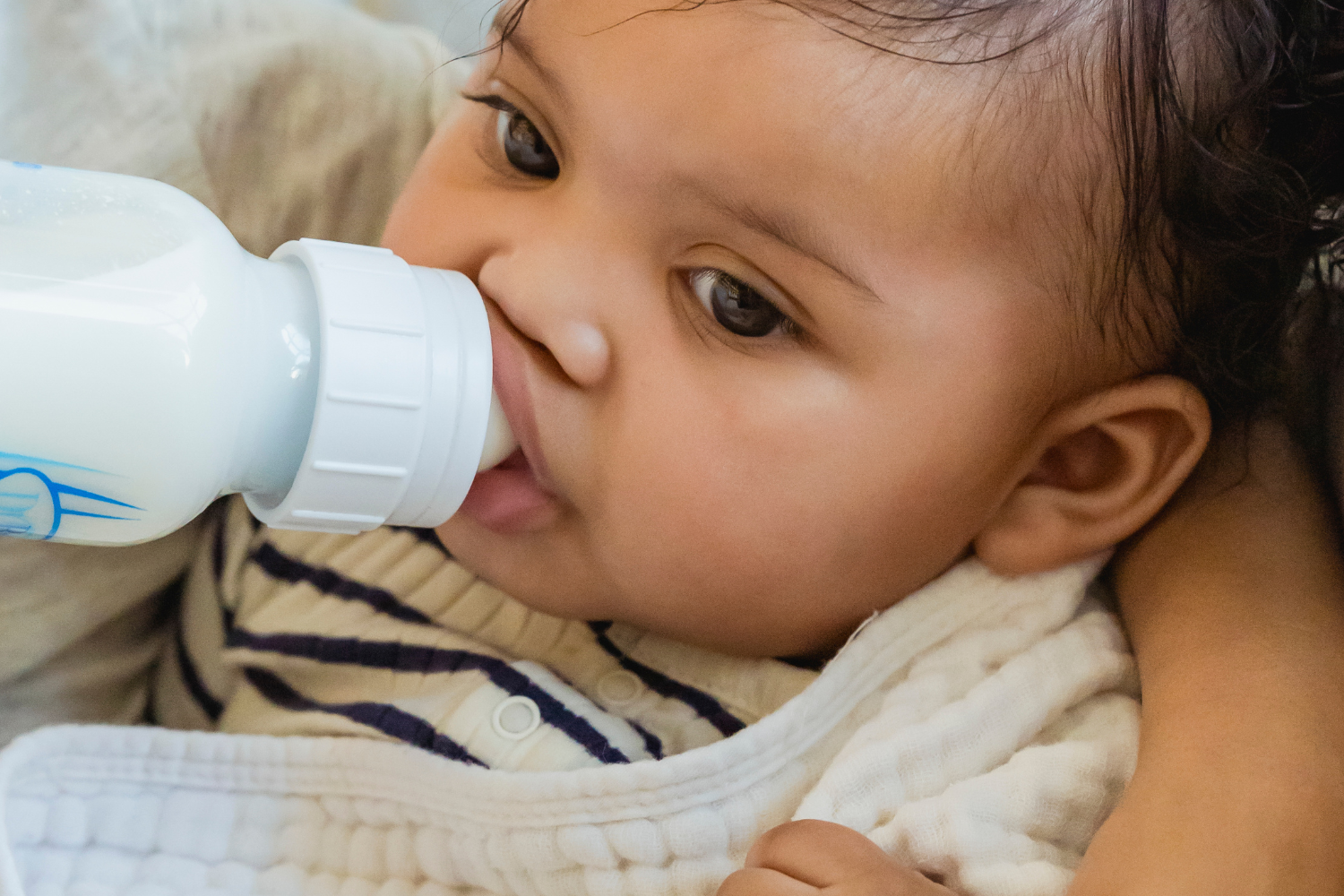 A question for moms reading this: How much did you know about or prepare for feeding your baby? I had done very little preparation before my daughter was born but had the fortune of working with Juli Billings Walter, IBCLC, and owner of JBW Lactation Services, shortly after our daughter’s arrival. I reached out to Juli again to get her take (excerpted below) about lactation consultant support timing, feeding choice stigma, and the importance of checking in with mental health regardless of the feeding decision new parents make. 1. Would you recommend that expectant mothers add a lactation consultant to their prenatal support team? Or when do you recommend folks start this search process? I would recommend that people get in touch with a lactation consultant before their babies are born because lactation support is now covered by insurance. But there’s a little bit of paperwork that you have to fill out and things that you have to do to approve your benefits and understand what your benefits are before the baby is born. And so the time to do that is when you have a little bit of brain space before you baby arrives, and not when you have crying three-day-old baby in your arms and you’re filling out insurance forms. Whether you think you need lactation support or not, it’s good to, you know, get it in place if you need it … I mean, people get their baby registries going, and, you know, things like that, but you need to know who to call if you’re having trouble and also know who to call if you’re not having trouble. You don’t need to have a ton of trouble to get some benefit from a visit with a lactation consultant after the birth, to just know that things are getting off to a good start. 2. Why do you think there's still such stigma around feeding choices (chest versus bottle), and what can individuals do to shift the conversation? I think that really down deep all moms are just trying to do their best job. And I think that there’s kind of a feeling sometimes of being judged, whether [or not] you’re just imagining that that’s happening to you. But I think sometimes if I decide to formula feed or bottle feed or pump and bottle feed and you’re breastfeeding, it doesn’t mean that I think I’m better than you. Everybody makes a choice. A lot of people are doing things because their first choice didn’t work out, you know, and I don’t think that we need to judge people because you don’t know what shoes people have or have walked in. And some people want to breastfeed, but they have low supplies and it’s not working. Actually, I event want to say that there’s so many different ways to feed a baby or how people want to feed a baby. Right off the bat sometimes I think that there’s a lot of my clients that are like, "I’m pumping and bottle feeding." Yeah, I’m having a night nurse. I want to have my partner to split the load. I want to help people with whatever type of plan they want. I have people who have serious mental health issues or I work with moms who have different medical conditions that if they don’t get enough sleep their medical conditions will spiral. So right off the bat, we need to make a plan for that family to do some type of combination feeding, and we don’t need to judge people. In the grand scheme of life and in the bigger picture of what’s important is that everybody’s feeling good about what’s happening in this family, right? 3. How much of your work involves supporting the mental health of parents going through feeding challenges? Almost all of it. Everybody has a different journey there and everybody feels differently about their journey. One thing that I say to so many of my clients on a daily basis is how are you doing mentally and emotionally? Because I can have a mom who has a 90 percent supply. She has to do a little bit of something, a little bit of supplementation or a little bit of pumping, and she’s just like, this is terrible. Yeah, this is absolutely terrible. And then I can have another mom who makes hardly any milk. She’s pumping her brains out. She’s working so hard. And I’m like, “How are you doing?” She’s like, “This is great. I’m so happy that I can pump ten times a day and make one bottle of milk for my baby.” And I say, then let’s keep going if that’s what you want to do, because I’m constantly checking in on people mentally and emotionally where they are, and I’m trying to say partners too that we cannot let this person slip into the depths of depression over this. So the answer’s more about how is mom doing mentally and emotionally. That’s a huge part of it for me because, again, in the grand scheme of life, if your kid has to get a bottle of formula a day to make everybody feel better in this family, it’s worth it, right? 4. For those returning to work and continuing to breastfeed, what are the most practical steps moms can take to prepare for that transition/schedule? Even though we put so much pressure on women to breastfeed, and you should breastfeed for a year or whatever it is, we don’t support them in that journey. So by the time most people go back to work, most other moms are formula feeding. […] Most of the childcare workers, as wonderful as they are, are not familiar with the difference between breast milk feeding and formula feeding. What I find the hardest thing is that my moms are constantly being undermined and being told by childcare workers that “You're not bringing your baby enough milk. You’re not pumping enough. You’re not doing this enough.” And it’s constant pressure every time these moms go to pick up their babies, because a formula-fed baby will eat much more than a breast milk-fed baby. So I think the biggest thing before you go back to work is to education yourself. Understand how much you’re supposed to be producing. So many of my moms tell me, “I couldn’t maintain breastfeeding when I went back to work,” but really what it was, was misinformation. They were making plenty of milk. They were making the perfect amount of milk for their babies, but the childcare workers kept telling them, “I think your baby’s hungry. I think you’re not bringing enough.” Because the formula [feeding] moms are bringing in gigantic bottles, and the breastmilk-[feeding] moms are bringing in smaller bottles. And when the childcare worker doesn’t understand, they’re constantly giving subtle message to my moms. I have these women who are these high-powered, corporate, amazing, badass women in tears because they think they’re not doing enough. And I always say to them, “Has your doctor ever told you you’re not feeding enough to your baby? But somehow when they go back to work and they’re in this very vulnberable environment, leaving their child with somebody else, you know, they just start [feeling] so much self-doubt. Educate yourself before you go back to work because you will get undermined so fast going after going on a pumping and bottle feeding journey after you’ve been breastfeeding at home for months. It can get unraveled so quickly. […] 5. If you could impart one piece of advice or encouragement to first-time moms struggling with feeding their babies, what would it be? What I want for all moms is to understand how their bodies work. And I feel like most moms do not understand how their bodies work. They don’t understand that. Like, they don’t understand that their milk comes in on the third day after their babies are born. So even sometimes by the time I get out to see people, they’re like, “Well I had to formula feed the whole time I was in the hospital because my milk didn’t come in for the third day." But, it’s like, you and everyone else’s milk on the planet doesn’t come in for three days. But they didn’t know that, so they felt scared and they felt nervous and they were worried about their babies. People don’t understand how much milk a baby’s supposed to be eating. You know, they see moms on TikTok and they’re like, well, this lady has a deep freezer full of breast milk in their living room. I don’t make [enough] for a deep freezer in my living room. It’s like, right, nobody’s supposed to have a deep freezer full of breastmilk in their living room! That’s not what you’re supposed to have. But seeing those things, and when you don’t know how your body is supposed to work, what is normal, and what is baseline normal, it undermines everything. And it scares women and it makes them feel their like their bodies aren’t working properly when everything was just perfect and baseline normal for them. So that's what I want for people: I want to educate you. I want moms to educate themselves about how much milk they’re supposed to be making, how breast milk production works. You know, there’s just so much garbage on the internet where like, for example, people will say, “Oh, well if your baby’s sleeping through the night, you need to get up in the middle of the night and pump.” What are you talking about? Did cave women pump in the middle of the night? No, they just fed their babies. You need to make enough milk for your baby, but you don’t necessarily have to be doing all of these other things. And also understanding that everyone makes a different amount of milk, and the amount of milk you make literally has more to do with happened to you when you went through puberty and your breasts were formed with when you were a young adolescent girl, than it does with what happened to you during your birth. Some people are like, “Oh, I didn’t get the golden hour, so now I don’t make milk.” No, that’s not how it works. Yes, it’s great have the golden hour and all that kind of stuff and get things established. But if you have the capacity to make milk, you’ll be able to make milk, you know? But some people don’t have as many milk-making cells as other people. So [it’s more about] understanding that and how do you manage yourself if you have the largest milk supply on the planet or the smallest milk supply. How do you manage those things? About JuliI am the mother of five and have 12 years of personal breastfeeding experience nursing my own children. I worked as a volunteer leader with the La Leche League organization for 10 years and have been an Internationally Board Certified Lactation Consultant through IBLCE since 2007. I am interested in helping mothers reach their personal breastfeeding goals.
-
until
Join us at Horner Park playground for a casual Sunday morning gathering. We'll set up 🫧 bubbles, 🎨 crafts, and 🧃juice boxes for the kids. Not an NPN member? No problem! Check in with us and earn one free month of membership, extendable for up to six months! Bring a neighbor, friend from school, relative, or anyone you know who might be interested in connecting with other parents of young children. Directions and Parking The playground is on the northeast corner of the park by the field house, along California Ave, between Cullom and Montrose. Free parking is generally available in the attached parking lot and on California Ave. Look for a picnic table covered in an NPN tablecloth or other NPN signage, Yoona in an NPN t-shirt, or just a blanket on the ground with craft projects on top! RSVPs not required, but encouraged for planning purposes. Tell us you're coming by clicking the green button on the right. (Mobile users scroll down.) Have questions? Email yoona@npnparents.org Cover image credit: Ivan Mudruk -
 Trending: Revised Food Allergy Advice Is Paying OffOur daughter has several food allergies, and egg is the most concerning one. I’ve also learned that it’s one of the leading allergies among children in the U.S. I was encouraged to see new research conducted in Australia that shows earlier egg introduction (by 6 months as opposed to 1 to 3 years old) has led to an allergy rate on the decline: from 9.2% to 7.6% in infants given egg by 6 months. And babies with eczema saw an even more dramatic decline from 34.6% to 21.9%. These revised feeding guidelines seem to be making a meaningful decline for egg allergies and peanut allergies too, which might be fading away even more dramatically. Sadly, early introduction of allergenic foods, specifically eggs, isn’t a guarantee that your child will be allergy-free. That’s both comforting and disheartening. A familiar parenting combo, right?! In Chicago Parenting News: Chicago wildfire, or “smoke,” season might be a thing we all need to prepare for throughout the year. The Chicago Public Library has a teen guide to free back-to-school events. Loyola University has plans to convert an abandoned school into student housing. Parenting IRL: Screen Time on Playdates Digging up an old but always-relevant topic from the discussion forum about screen time. The original poster expressed concern about the presence of screens during playdates, specifically video games, and wonders if it’s OK to request no screens ahead of a gathering. Have you ever made an advance request for a screen-free playdate? What’s your advice? Subscribe to the NPN Weekly to get more parenting news, trends, and tips straight to your inbox!
-
 Perinatal mental health has gained more cultural visibility and acceptance but is a concept that's still largely brushed over. We asked Elle Murphy, a Staff Psychotherapist at Perinatal Mental Health Center of Chicago, to dive deeper with us and widen the conversation about supporting the mental health and wellness of loved ones during the fourth trimester or anytime postpartum. 1. Could you talk a bit about the most common misconceptions you notice around postpartum mental health? One of the most common misconceptions is that postpartum mental health only belongs to those who birth a child, and this is not true. Anyone who becomes a parent is now postpartum: non-birthing parents, parents who adopt, foster, or use surrogacy; these individuals often go underscreened and underserved. Another common misconception is that postpartum mental health struggles only look like sadness; rage, over-functioning, and numbness can all be signs of a person struggling with their postpartum mental health. Finally, there is the harmful idea that if you are struggling with postpartum mental health then you must not be grateful, and that could not be farther from the truth. You can be struggling with your postpartum mental health. 2. If someone notices a friend or loved one struggling in the fourth trimester, what are the most impactful ways folks can help and/or encourage seeking therapeutic support? Show up, and keep showing up. The texts, phone calls, and visits all matter, they remind the person they are not alone. It is difficult to see a loved one struggling; as people, we want to provide a "fix" and be helpful. Showing up is the best way to be helpful during this time. As far as encouraging therapeutic support, if that feels appropriate, a loved one can provide a specific referral to a perinatal-focused practice rather than saying "have you thought about therapy?" saying instead, “If you were thinking about therapy, it can be helpful during this time; here are some therapists that specialize in perinatal mental health." It is just as gentle and takes the task finding a therapist off their hands. 3. What are the most important things couples can do to prepare for relationship changes after becoming first-time parents? As a couple’s therapist, I have the privilege of sitting with couples navigating exactly this. My advice? Start the conversation early. Start with what childhood looked like for you. Who did what in your family growing up? What did relationships look like? That early exposure creates our blueprint we view life through and shows up in parenthood, often without either person realizing it. I encourage couples to talk explicitly about mental load and invisible labor, because resentment around these things tends to build quietly and fast. Decide now how you'll ask for help from each other, not assume it. New parenthood is destabilizing for every couple. Couples who plan and realize the shift is inevitable can meet each other with the vulnerability and curiosity this time calls for. 4. Birth trauma isn't widely discussed; do you see that changing? How can we make it a more natural part of the new parenthood/postpartum conversation? I do see this changing, and I am hopeful this continues to change. I think social media and people bravely sharing their stories is a big reason. I think one-way loved ones, and even providers, can make it a normal part of the conversation is by remaining curious about the birthing person's experience. There are many assumptions as to what an "easy" birth is, and that if your birth is "easy" then you have no trauma and that is absolutely not true. The only person who can define their birth as traumatic or not is the birthing person who experienced it. It is an honor to hear anyone’s birth story, an honor we should sit with, rather than categorize for them. 5. If you could give one piece of advice to expectant parents around mentally and emotionally preparing for new parenthood, what would it be? Wow, really difficult to find just one. In this moment, I would say: grieve the life you're leaving. Yes, grieve. Your life is going to change tremendously, and while that can be incredibly joyous, it also can come with grief for the life you had, because you know you cannot go back. And two things can be true at the same time. Give yourself permission to feel the full complexity of this transition. This transition asks a lot of you. And of course, when the noise in your mind gets too loud, remember that help is available, you are not failing, and you will find your way. Parents just do, and you will. Elle Murphy, MSW, LSW, PMH-C Individual and couple's therapist who specializes and is certified in Perinatal Mental Health. Elle brings clinical expertise, along with her experiences as a birth and postpartum doula to her practice. As a BIPOC therapist, Elle is passionate about culturally responsive care, she understands the unique intersections of identity, systemic barriers, and the perinatal journey.
-
until
Though the school year is coming to an end, NPN playdates will continue through the summer! Join us at Horner Park playground for a casual Sunday morning gathering. We'll set up 🫧 bubbles, 🎨 crafts, and 🧃juice boxes for the kids. Not an NPN member? No problem! Bring a neighbor, friend from school, relative, or anyone you know who might be interested in connecting with other parents of young children. Directions and Parking The playground is on the northeast corner of the park by the field house, along California Ave, between Cullom and Montrose. Free parking is generally available in the attached parking lot and on California Ave. Look for a picnic table covered in an NPN tablecloth or other NPN signage, Yoona in an NPN t-shirt, or just a blanket on the ground with craft projects on top! NPN Summer Playdates at Horner Park 10:00 AM to 11:30 AM - Sunday, July 12 & Sunday, August 9 RSVPs not required, but encouraged for planning purposes. Tell us you're coming by clicking the green button on the right. (Mobile users scroll down.) Have questions? Email yoona@npnparents.org Cover image credit: Ivan Mudruk -
 Trending: The Rise of Home BirthsEarlier this spring I listened to The Birth Keepers, a heavy but captivating podcast series by the Guardian about the free birth trend, which involves giving birth at home without any medical involvement. Emily Oster covered this topic at the beginning of June and was adamant that no one pursue free births. Medically attended home births, however, are a different story. Oster and others point to data that shows more people are turning away from the hospital for births—though with the help of a medical professional at home. In 2019, 1% of births happened at home. In 2023, that number jumped to 3.5%. Home births spiked to a 30-year high during the pandemic. The shift could be a combination of factors, including: The rise of c-sections (again) to approximately 1 in 3 U.S. births. A black maternal mortality rate that’s about 3.5 times higher than among non-Hispanic white women. An increase in the number of certified midwives, with licensing or some sort of regulation in 38 states. While Oster flatly discourages free birthing, she points to the potential benefits of medically attended home births, including fewer interventions. But if transferring to a hospital is necessary, the complications and risk factors increase. Even Oster admits that there’s no right or wrong answer about home births. It’s a highly personal decision, where and how to give birth, and facts and figures only ever tell a fraction of the story. 👋 Are you an expectant or new mom looking for community? NPN will be (re)launching a New Moms Group this fall. Stay tuned! In Chicago Parenting News: This after-school program aims to teach AI literacy to kids with good old-fashioned pen and paper. Thanks to a network of 277 air quality monitors, Chicago can keep an eye on air pollution year-round. The Chicago Sun-Times reports that a quarter-million student loan borrowers in Illinois need new repayment plans. Parenting IRL: Gratitude From Our ChildrenParenting comes with numerous challenges, but this recent post on our forum is a helpful reminder to zoom out and acknowledge the loving, thoughtful things children do to show appreciation. Teaching gratitude is a parenting pillar for many of us, which makes moments like a thank you for preparing a meal or an offer to pick something up at the store all the more meaningful. What do you your kids do to show that they’re thinking of or appreciate you? We’d love to hear from you! Subscribe to the NPN Weekly to get more parenting news, trends, and tips straight to your inbox!
-
 Our daughter is a little over 3.5, but we spent nearly nine months in her second year of life struggling with sleep. What were we thinking?! That’s something Linda Szmulewitz of Sleep Tight Consultants quickly helped us let go of. She taught us to stop troubleshooting in the sleep-deprived moment, set boundaries, and give ourselves a break. I was happy to have the opportunity to ask Linda five questions about sleep for NPN readers in a similar boat. Here’s what she had to say about sleep training, sleep crutches, and emerging from the newborn sleep trenches. 1. At what age should parents consider sleep training their children and is it ever too early, late, or ill-advised (when potty learning, welcoming a sibling, etc.) to do so? The time to start sleep training is 1) once your child is at an age when they are capable of soothing and regulating themselves. I start working with families at 18 weeks at the earliest. And beyond that 2) when whatever you are doing to help your child sleep is no longer working for you, your child or your family. That is to say that if whatever you are doing is working then far be it from me to say that it is a problem. As far as too late, I work with children until they are 10 years old so these are certainly things that are still changeable into school age years. These sorts of changes don’t necessarily get easier to make though as children get older. As far as timing, it isn’t a great idea to be trying to make changes that require a lot of consistency in the midst of anything that might be disruptive. Potty training could be one of those things, visitors who are going to make consistency hard, an upcoming trip (within the next 2 weeks—especially for toddlers/older children), a move or the imminent arrival of a sibling. 2. What's a sleep crutch, and how can parents determine if they're OK to use for their child/children? A sleep crutch or sleep association is anything you do to or for your child to help them fall asleep at bedtime and then often back to sleep overnight. Some examples of sleep crutches are feeding (nursing or a bottle), holding, rocking or bouncing to sleep. For children who are in a bed, the most common sleep crutch I see is when parents are laying down with their child to fall asleep at bedtime and then again overnight or co-sleeping whether it is at bedtime or throughout the whole night. Newborn babies and children under 4-6 months often need help falling asleep at bedtime. This is normal and to be expected. Often those things that we do to help our children fall asleep will stop working at some point in time. Just like in my answer to the question above, a sleep crutch is never something that is a problem until it is no longer serving you. In some cases, sleep crutches can continue to work as children get older but it will take longer and longer to coax a child into sleep as they have more capacity to stay awake for longer periods of time. In many cases, whatever you do to or for your child to help them fall asleep, they may need that much and more as the night goes on. 3. What's the deal with sleep regressions? Are they fact or fiction or something in between? Sleep regressions are absolutely real. Some children experience more regressions than others. This can often be related to your child’s temperament and how sensitive they are to things that are both changing in their body or things that might be changing in their environment. Sleep regressions most commonly are correlated with periods of developmental change/growth. The big ones are at 4 months (burst of developmental awareness, rolling, growth spurt), 9 months (separation anxiety, learning how to pull up to stand), 12 months (walking), 18 months (language developing very rapidly), 2 years (more language development, words having more power), 2.5/3ish (moving from a crib to a bed). Regressions can also be brought on by travel, illness or teething—times when parents end up not being as consistent as they might be otherwise, especially if these inconsistencies persist beyond when the disruption resolves. 4. What general recommendations do you have for first-time parents, especially when struggling with interrupted sleep and night feedings? In the early months, when you are in the trenches, know that this is normal. Hard, yes, absolutely. I would never minimize how difficult those early newborn days/months can be. It will get better though, both when your baby is at a developmental stage when they are capable of doing more independent soothing and regulation and their brain is developed in a way that enables them to sleep better, but also when they are at an age when you can make more significant changes. Honestly, my strongest recommendation would be to stay away from the internet and social media that makes it seem like you are doing it all wrong and everyone else has these things figured out. And see what kinds of supports you can put in place while you need them. This may be parents taking shifts throughout the night in order to help each parent get some longer stretches of sleep at a time (heads up that the short end of the stick shift is the early morning when sleep is the least consolidated for newborns)—this can be done even if you are breastfeeding, having family or close friends provide respite either at night or during the day to help you recover a bit or possibly a few nights of postpartum doula support. I promise, this is not forever, it can get better! 5. If you could give one piece of life-changing advice/encouragement to parents of children struggling with sleep, what would it be? My advice would be to help your child, at the very least, learn how to fall asleep independently at bedtime. This is often the key to the whole night. About 80% of all children will eventually sleep through the night once they have fallen asleep on their own at bedtime. It can certainly make a big difference. Linda Szmulewitz is a Licensed Clinical Social Worker and Certified Gentle Sleep Coach. As owner of Sleep Tight Consultants, she has worked for over 15 years with tired families all around the world to teach their children the lifelong skill of sleeping. She also runs The Chicago New Moms Group.
-
 Parenting IRL: Teaching Teens to Save Money Is teaching financial literacy on your parenting to-do list? It might be top of mind or maybnot, considering that financial literacy among U.S. adults is at a 10-year low. That figure includes Gen Z-ers. One NPN member wonders if other parents of teens also require their kids to save. Do you press your kids to save a certain percentage of what they earn? Did you start earlier than high school? Weigh in! Trending: Modern Parenting Is Tough Modern parenting is tough with a capital T, and probably getting even harder. Why? We’re inundated with messaging that tells us how to parent but rarely get the kind of validating in-person feedback we need when struggling with guilt over missing sporting events, feeling exhausted, or struggling against systems—like the modern work day—that aren’t friendly to parents, especially those with young children. The way parents responded in surveys by Nanit, New America, and Teleflora says it all: Over 70% of parents say they wish they had more time with their kids. More than half of parents think they’re not spending enough quality time with their kids during the work week. Nearly 40% of moms feel guilty about being overwhelmed or distracted. More than 60% of parents say they want more personal time. But almost 70% say they feel guilty about wanting/needing that time to themselves. If those stats speak to you, you’re not alone. And the good news is that experts agree that talking to other parents and trusting your own instincts are powerful tools to block out the noise and focus on what actually works for you as a parent. 👋 Are you an expectant or new mom looking for community? NPN will be launching a New Moms Group this fall. Stay tuned! 🗓️ In Chicago Parenting News:The Chicago Sun Times reports that e-scooters are popular among city teens, but they’re proving dangerous and even deadly. Your rising eighth grader will take a new high school admissions test in October. Chalkbeat has more. Good news for pool-goers: Block Club reports that the city’s outdoor pools will open a week early this summer. Parents in Chicago and throughout the state now have NICU leave. Have you heard Illinois passed a landmark AI law mandating third-party audits and oversight? Before You Go ...We’ll be at Horner Park Playground (near the picnic table area) Sunday, June 28, for a casual playground hang. Stop by for a snack, crafts, and the chance to earn one month—or up to six months—of free membership. Register now or just check in with me on Sunday. Subscribe to the NPN Weekly to get more parenting news, trends, and tips straight to your inbox!
-
until
Though the school year has come to an end, NPN playdates will continue through the summer! Join us at Horner Park playground for a casual Sunday morning gathering. We'll set up 🫧 bubbles, 🎨 crafts, and 🧃juice boxes for the kids. Not an NPN member? No problem! Bring a neighbor, friend from school, relative, or anyone you know who might be interested in connecting with other parents of young children. ⭐ Stop by and check in with Yoona and earn up to six months of free membership! ⭐ Directions and Parking The playground is on the northeast corner of the park by the field house, along California Ave, between Cullom and Montrose. Free parking is generally available in the attached parking lot and on California Ave. Look for a picnic table covered in an NPN tablecloth or other NPN signage, Yoona in an NPN t-shirt, or just a blanket on the ground with craft projects on top! NPN Summer Playdates at Horner Park 10:00 AM to 11:30 AM Sunday, June 14 - rescheduled due to rain Sunday, June 28 - new date! Sunday, July 12 Sunday, August 9 RSVPs not required, but encouraged for planning purposes. Tell us you're coming by clicking the green button on the right. (Mobile users scroll down.) Have questions? Email yoona@npnparents.org Cover image credit: Ivan Mudruk -
until
Rain Check! This morning's playdate has been rescheduled for Sunday, June 28th. See you then! Though the school year has come to an end, NPN playdates will continue through the summer! Join us at Horner Park playground for a casual Sunday morning gathering. We'll set up 🫧 bubbles, 🎨 crafts, and 🧃juice boxes for the kids. Not an NPN member? No problem! Bring a neighbor, friend from school, relative, or anyone you know who might be interested in connecting with other parents of young children. ⭐ Stop by and check in with Yoona and earn up to six months of free membership! ⭐ Directions and Parking The playground is on the northeast corner of the park by the field house, along California Ave, between Cullom and Montrose. Free parking is generally available in the attached parking lot and on California Ave. Look for a picnic table covered in an NPN tablecloth or other NPN signage, Yoona in an NPN t-shirt, or just a blanket on the ground with craft projects on top! NPN Summer Playdates at Horner Park 10:00 AM to 11:30 AM Sunday, June 14 Sunday, July 12 Sunday, August 9 RSVPs not required, but encouraged for planning purposes. Tell us you're coming by clicking the green button on the right. (Mobile users scroll down.) Have questions? Email yoona@npnparents.org Cover image credit: Ivan Mudruk -
 In today's digital age, many parents find themselves struggling to keep up with the technology their children use daily. One pressing question is: How can we guide our kids to form healthy relationships with social media and technology? In this episode, we'll explore the insights from Jane Kim, founder of KindEd, a social media literacy program aimed at empowering children with the skills to navigate the digital world. This matters not only for their immediate social interactions but also for their long-term development and well-being. This was originally recorded on 4/10/26 for NPN's podcast, Chicago Style Parenting.
-
until
Come and enjoy time with your family and others at this NPN playdate at Chicago Waldorf School. ☕ Sip a warm cup of tea and experience kneading bread dough. You can sample the fresh baked rolls later in the morning. 🎈Witness your child play in one of the Early Childhood classrooms and hear about the PreK and Mixed Age programs. 🪴Enjoy time together in the beautiful outdoor nature park and garden. 🐝 Listen as Early Childhood teachers share a puppet play with the group, allowing time to play. Chicago Waldorf School is located at 5200 N Ashland Ave. Parking and entrance: Free parking can be found on Farragut and Paulina Ave. Please come to the west side of the building (5200 W. Ashland), through the black gates off Foster Ave., or the chain link fence gate off Farragut Ave. You will find our Main Doors at the southwest corner of the building, just inside the main playground area. Please ring the bell to the right of the door and you will be buzzed in. Questions? Email amy@npnparents.org. NPN is a 501(c)(3) non-profit organization. You help us keep these playdates free with your parent membership or donation. Thank you for supporting NPN! -
until
Join us for a magical morning of discovery and play at the NPN playdate at Baker Demonstration School. You and your child will: 🪴 Explore our thoughtfully designed early childhood spaces 🐝 Play in our garden playground 🎈 Experience the joy of learning through play—the Baker way! Baker Demonstration School is located at 201 Sheridan Rd, Wilmette, IL 60091. There is ample parking in the school parking lot. Questions? Email amy@npnparents.org. NPN is a 501(c)(3) non-profit organization. You help us keep these playdates free with your parent membership or donation. Thank you for supporting NPN! -
until
Join us for Sunday play at Kids Work Chicago Riverview! Their large indoor play space will be open, which is a great way to get those winter wiggles out. Kids Work will also have “Love and Friendship" themed activities, an I-Spy sensory table for the children to enjoy, plus a goodie bag for the kids. This event is for children aged 0- 5 years old. Spots are limited so register today! Kids Work Chicago Riverview is located at 3429 N. California Ave, on California between Addison and Belmont. Parking lot in front of the building has plenty of spaces! Please note: 👶 Child care will not be provided; adults are responsible for all children they bring to the event. 🧦 Kids Work Chicago Riverview is a shoe-free facility. Please be prepared to remove your shoes upon arrival. (Cozy socks are recommended!) 📸 There will be images and video captured at this event as part of Kids Work's routine event photography. You can opt out of photos if you like when you arrive. -
until
Calling all New Dads (dads of 1st, 2nd, 3rd, etc babies) of babies 0-6 months old who are looking for support in their role as a parent! Join us for this opportunity to connect with other dads who are sharing these experiences. All groups are led by a therapist and dad who specializes in men’s issues, grief and loss, and life transitions from adolescence through adulthood. Go here for more information and to RSVP. 5% discount available. Click here for redemption information. NPN Community Members upgrade to a Parent Membership to access NPN Discounts. Customer parking available This is an external partner event. Please contact the organization directly with any questions or concerns: dads@chicagonewmomgroup.com.